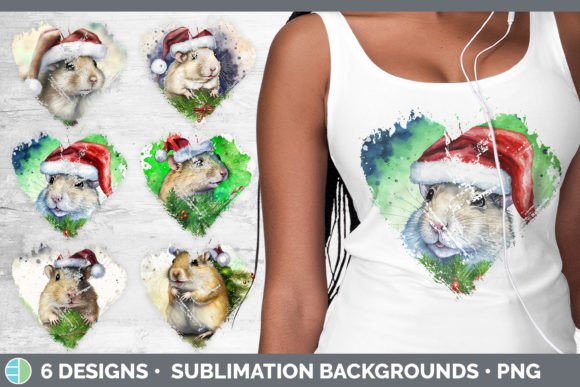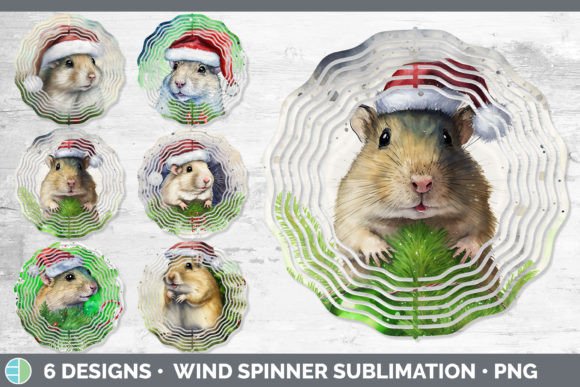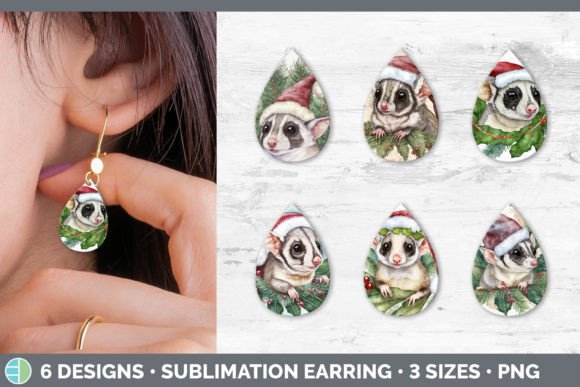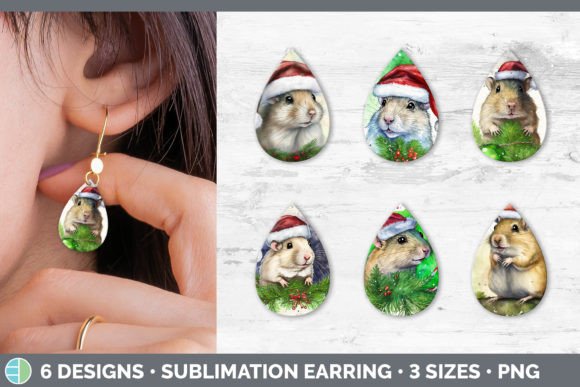
Santa Gerbil Christmas Teardrop Earring
A Playful Twist on Holiday Embroidery
At first glance, the Santa Gerbil Christmas Teardrop Earring feels like a whimsical nod to holiday cheer with a twist of unexpected charm. The design is rooted in the Illustrations category, which means it’s crafted with a focus on visual storytelling and character-driven details. The teardrop shape immediately suggests a delicate, feminine aesthetic, while the inclusion of Santa Gerbil—a quirky, anthropomorphic rodent—adds a layer of humor and personality that’s hard to ignore.
This design isn’t just about festive themes; it’s about creating a visual mood that balances nostalgia with modern appeal. The layout is clean and centered, with the Gerbil positioned prominently in the middle, surrounded by subtle holiday elements like tiny snowflakes and a small wreath. It’s the kind of design that would feel right at home on a handmade tote bag or a custom sweatshirt, especially for those looking to add a touch of playful individuality to their holiday collection.
Real-World Performance: What Works and What to Watch For
If I were preparing a custom embroidered tote bag for a small shop’s holiday line, this design would be an excellent candidate. The Santa Gerbil Christmas Teardrop Earring has enough detail to stand out but not so much that it becomes overwhelming on larger fabric surfaces. It would work well as a machine embroidery design, especially when paired with a medium hoop size and a good stabilizer to ensure the fabric doesn’t pucker under the weight of the stitches.
For sweatshirt embroidery or baby clothes, the design’s soft curves and muted holiday accents make it a safe yet engaging choice. However, if you plan to use it on dark fabric or thin fabric, it’s important to test the thread color contrast first. A white or light-colored background will bring out the full vibrancy of the design, while darker fabrics may require adjusting the stitch density or using a slightly bolder thread color to maintain visibility.
The stitch density is moderate, which is ideal for most embroidery projects. There are no overly dense areas that could cause puckering or strain on the fabric, which is great news for handmade products that need to withstand frequent washing. That said, if you’re planning to use this design on curved surfaces like caps or hats, you’ll need to adjust the placement carefully to avoid distortion during stitching.
Design Fit and Visual Appeal
The Santa Gerbil Christmas Teardrop Earring has a strong visual appeal that can elevate a wide range of small shop products and Etsy listings. It’s versatile enough to fit into both personal and commercial embroidery projects, from personalized gifts to boutique branding. Its playful nature makes it particularly appealing for holiday gifts and nursery decor, where a touch of humor and charm can make all the difference.
However, there are certain applications where caution is needed. If you're working with tiny lettering or detailed corners, this design might not be the best fit. The Gerbil’s facial features are expressive but not overly intricate, which means it should handle well on embroidered patches or pillow covers, but it might not translate as well to highly detailed digital embroidery files or printable mockups with very small dimensions.
In terms of customer trust and brand consistency, this design could help establish a unique identity for a craft business or handmade shop. It’s the kind of asset that customers would remember, especially when paired with thoughtful packaging and clear product descriptions.
Practical Embroidery Designer Notes
Before committing to using the Santa Gerbil Christmas Teardrop Earring in any project, I recommend testing it on scrap fabric first. This will give you a real sense of how the thread colors interact with different fabrics textures, and whether the stabilizer you choose is appropriate for the fabric type.
Also, review the stitch density and consider whether it needs adjustment for your specific fabric. If you’re using it on light fabric, you might want to reduce the density slightly to prevent stiffness. On the other hand, if you're using it on thick or textured fabric, you may need to increase the density to ensure the design stands out clearly.
When considering commercial embroidery or selling finished items, always confirm the licensing terms before proceeding. While the design itself looks great on a variety of embroidery project types, proper permissions are essential for digital product sellers or craft fair products.
Finally, don’t forget to check whether the design works well in black and white mockups and compare it across different fabric backgrounds. This will help ensure that the final finished product meets your expectations and delivers the visual impact you’re aiming for.